
Trézor Bridge® | Introducing the New Trezor® App
Learn how Trezor Bridge works with Trezor hardware wallets to establish secure application connections, simplify device communication, and support efficient cryptocurrency account management from your desktop.
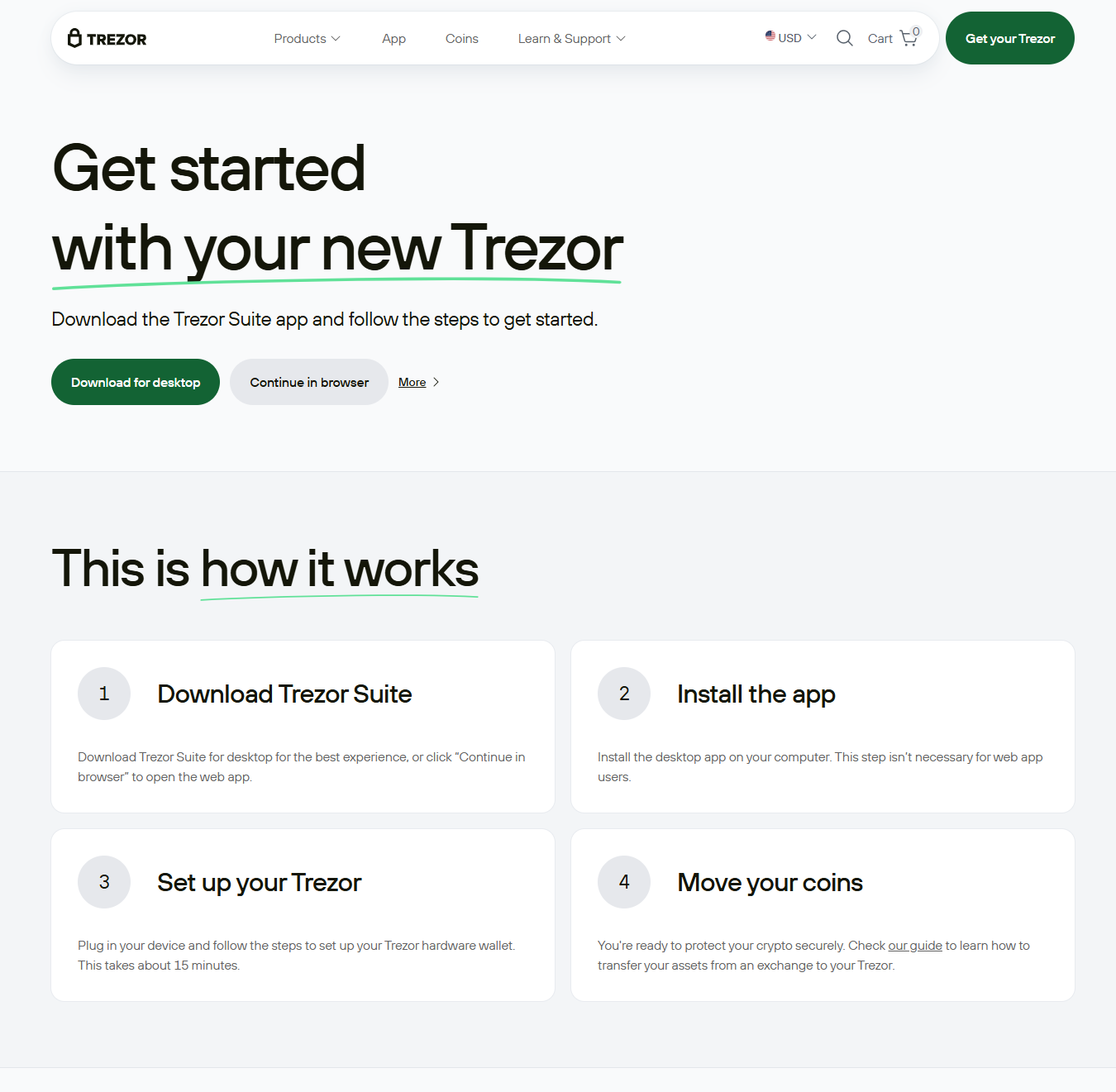
Trezor Bridge Guide: How It Connects Your Hardware Wallet to Desktop Software
A hardware wallet provides an additional layer of protection for cryptocurrency, but it still needs to communicate with compatible software when you want to manage accounts or approve transactions. Trezor Bridge helps establish this connection between a Trezor hardware wallet and supported applications running on a computer.
Understanding the role of Trezor Bridge can make wallet setup and troubleshooting much easier, especially for users who are unfamiliar with hardware-wallet technology.
Understanding Trezor Bridge
Trezor Bridge is software that enables communication between a Trezor hardware wallet and compatible applications on a desktop computer. It works as a connection layer, allowing the computer and physical wallet to exchange the information needed for supported wallet-management tasks.
The bridge operates in the background rather than acting as a cryptocurrency wallet itself. Its purpose is to help compatible software recognize and communicate with the connected hardware device.
Why a Connection Layer Is Useful
A hardware wallet is designed to keep important security functions associated with the physical device. At the same time, users need convenient software interfaces to view accounts, check balances, manage supported assets, and prepare transactions.
Trezor Bridge helps connect these two parts of the experience. The desktop software can communicate with the hardware wallet while important confirmations can still take place on the physical device.
This makes the overall process more practical without requiring users to manage everything directly through the hardware wallet's small screen.
Getting Ready to Use Trezor Bridge
Before setting up Trezor Bridge, use a trusted computer and make sure your operating system is reasonably up to date. A stable internet connection can also help when downloading required software or accessing wallet services.
Avoid downloading wallet-related programs from unfamiliar websites. Cryptocurrency users are common targets for phishing attacks, and fake software can be designed to imitate legitimate wallet tools.
Check the source carefully before installing anything associated with your Trezor wallet.
Installing the Required Software
The installation process depends on the computer and software environment you are using. Obtain Trezor Bridge through a legitimate Trezor source and follow the instructions provided for your operating system.
After installation, the bridge generally works in the background when a compatible application needs to communicate with your hardware wallet.
You may not see a separate interface for everyday use because its primary role is communication rather than account management.
Connecting Your Trezor Device
Once the required software is installed, connect your Trezor hardware wallet to the computer using a suitable cable. Unlock the device when prompted and open the compatible wallet application.
If everything is working correctly, the application should be able to communicate with the connected device.
When a connection is not established, avoid entering sensitive information into random websites that claim they can fix the problem. Instead, check the physical connection, restart the relevant application, and use trusted troubleshooting guidance.
Using Trezor Bridge Securely
Trezor Bridge is only one part of a secure hardware-wallet setup. Users should still follow basic cryptocurrency security practices whenever they connect a wallet to a computer.
Never reveal your recovery seed, device credentials, or other private wallet information to another person. Legitimate troubleshooting should not require you to publish sensitive recovery details.
Before approving transactions, carefully examine the information displayed on the hardware wallet. If the recipient address or transaction amount differs from what you expected, stop before confirming it.
Troubleshooting Trezor Connection Issues
A Trezor device may occasionally fail to appear in compatible software. Start with simple checks before assuming there is a serious problem.
Confirm that the hardware wallet is connected properly and that the cable is functioning. Make sure the required software is installed and that your wallet application is using the appropriate communication method.
Closing and reopening the wallet software may also resolve temporary connection issues. If necessary, restart the computer and reconnect the device.
For persistent problems, rely on official support and documentation rather than downloading unofficial fixes.
Keep Trezor Software Updated
Software compatibility can change as wallet applications and operating systems receive updates. Keeping your Trezor-related software current can help maintain reliable communication and may provide important security improvements.
Always verify the source of an update before installing it. Avoid clicking unexpected update links sent through emails, social media messages, or pop-up notifications.
Taking a few moments to verify an update can prevent a much more serious security problem later.
Protect Yourself From Phishing
Wallet-related scams often attempt to create a sense of urgency. A fraudulent page might claim that your device has been compromised or that you must provide recovery information to restore access.
Do not follow instructions that ask you to disclose your recovery seed. Never enter private recovery information into a website simply because it displays Trezor branding.
When you encounter an unexpected security warning, close the suspicious page and independently navigate to a trusted source for assistance.
Trezor Bridge and Everyday Wallet Management
Once the connection is working, Trezor Bridge can quietly support the interaction between your hardware wallet and compatible desktop software. This can make activities such as checking accounts and preparing transactions more convenient.
However, convenience should never replace careful verification. A hardware wallet works best when users combine its security features with responsible habits.
Review transaction details, protect recovery information, maintain trusted software, and remain cautious whenever a website or message asks for sensitive information.
Final Thoughts
Trezor Bridge provides an important communication link between a Trezor hardware wallet and supported desktop applications. By helping the computer recognize and communicate with the physical device, it makes hardware-wallet management more convenient.
For a secure experience, users should focus on more than connectivity. Using trusted software, protecting recovery information, verifying transactions on the device, keeping software maintained, and recognizing phishing attempts are all essential habits.
With the right setup and careful security practices, Trezor Bridge can become a useful part of a reliable cryptocurrency-management workflow.
Updated about 8 hours ago